For decades, the purchase of a luxury timepiece was a linear journey: walk into a boutique, sip a glass of champagne, and walk out with a brand-new watch. Today, the narrative has shifted. The pre-owned market is no longer a secondary thought; it is a primary destination for serious collectors and investors alike.
Driven by a desire for discontinued references, immediate availability, and sustainable consumption, the second-hand market is experiencing unprecedented growth. It is a space where horological history meets modern investment strategy. Platforms like Hypa International have emerged as pivotal players in this landscape, bridging the gap between global collectors and rare, investment-grade timepieces with a focus on transparency and trust.
This shift isn’t just a trend; it’s a fundamental evolution in how we value prestige. Whether you are hunting for a vintage Patek Philippe or a modern Rolex sports model, understanding the dynamics of the pre-owned market is now essential for any discerning buyer.
The factors driving the pre-owned boom
The stigma once associated with “used” goods has evaporated, replaced by the prestige of “pre-owned” and “vintage.” Several key factors are fueling this rapid expansion in Australia and globally.
The hunt for the unique
Retail boutiques are often constrained by current catalogues. The secondary market, however, offers access to the entire history of horology. Collectors are increasingly seeking out neo-vintage pieces from the 90s or specific discontinued dial variations that tell a unique story, grey pieces that simply cannot be bought new.
Smart economics and availability
While some models appreciate instantly, buying pre-owned can often mean acquiring high horology at a more accessible price point than retail. Furthermore, the “waitlist culture” of major brands has pushed buyers toward the secondary market, where they can secure the watch they want today, rather than waiting years for a call that may never come.
Sustainability and circular luxury
Conscious consumption is reshaping luxury. Extending the lifecycle of a mechanical watch, an object built to last generations, aligns perfectly with the values of modern consumers who prioritize sustainability. It is the ultimate form of circular economy: high value, low waste.
The Australian market: A rising force
Australia is rapidly becoming a sophisticated hub for the secondary luxury trade. According to recent market analysis, the Australian second-hand luxury goods market is projected to surge from USD 45.3 billion in 2025 to over USD 102.8 billion by 2031. This represents a compound annual growth rate (CAGR) of 14.7%.
This growth suggests that by the end of the decade, the pre-owned segment in Australia will rival the primary luxury market in pace. Australian collectors are becoming more educated and more willing to transact digitally, provided the platform offers guaranteed authenticity and security.
Rolex: The case study for value retention
While the broader luxury retail sector has faced headwinds due to “greedflation” (where brands aggressively hike prices), Rolex remains a resilient outlier.
Recent financial filings reveal that Rolex’s sales in Australia soared to $414.4 million in 2023, with net profits jumping nearly 25 per cent. This success stands in stark contrast to other luxury powerhouses like Chanel and Louis Vuitton, which have seen local profits slump.
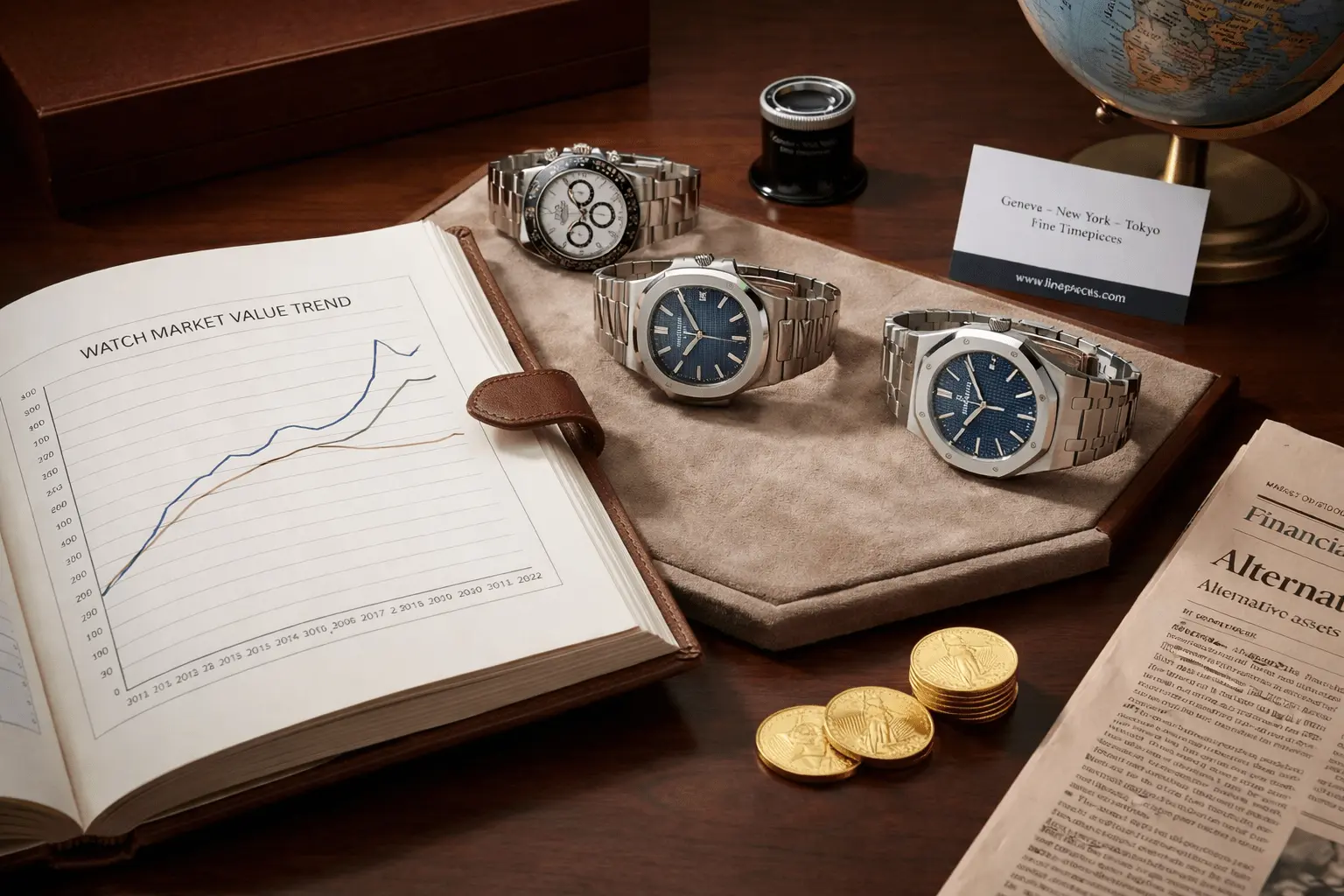
A key driver of this resilience is the robust resale value of the brand. Data from Rolex specialists indicates that pre-owned prices have jumped an astonishing 555 per cent between 2010 and 2025. Because Rolex kept its retail price increases moderate (around 4.8 per cent compared to the double-digit hikes of competitors), the brand has maintained its desirability and “DNA,” making it the gold standard for value retention in the secondary market.
How Hypa International connects collectors
In a market flooding with inventory, the role of the dealer has changed. It is no longer just about holding stock; it is about curation and access. Hypa International contributes to this ecosystem by offering a streamlined, secure pathway for buying, selling, and exchanging luxury watches.
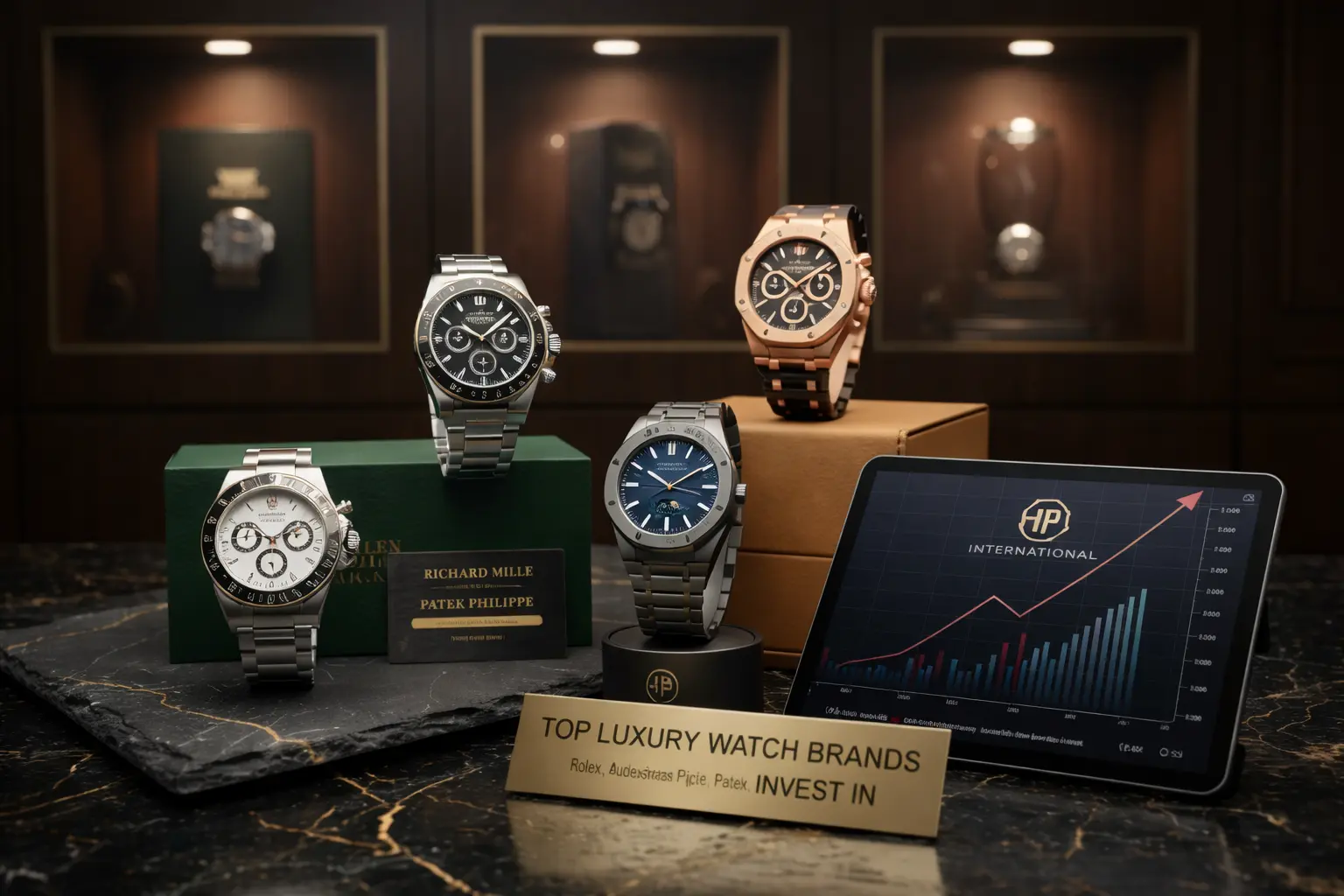
By focusing on high-demand brands like Richard Mille, Audemars Piguet, and Rolex, the platform serves as a conduit for assets that are often difficult to source locally. The emphasis is on removing the friction from the transaction, grey handing the logistics, the negotiation, and the verification grey so the collector can focus on the acquisition.
The critical role of authentication
As the market value of these assets rises, so does the sophistication of counterfeiters. Trust is the currency of the second-hand market.
To combat this, the industry is turning to advanced technologies. AI-based visual inspection systems and blockchain verification are becoming standard tools to ensure a watch’s provenance. However, technology supports, rather than replaces, the expert eye. The most secure transactions still rely on a multi-step authentication process where seasoned watchmakers verify the movement, dial, and case integrity to ensure every component is genuine.
A generational shift in collecting
The profile of the typical watch collector is getting younger. Millennials and Gen Z are driving significant adoption in the pre-owned space.
These cohorts view luxury differently. They value “access over ownership” in many areas of life, but when they do buy, they buy with an exit strategy in mind. They view watches as alternative asset classes, grey investments that can be enjoyed and eventually liquidated or traded up. This demographic is also highly digitally native, comfortable purchasing a five-figure timepiece online, provided the seller has a rock-solid reputation.
Navigating challenges and opportunities
Despite the boom, the market is not without its hurdles.
The challenges
- Counterfeit Risks: As mentioned, the risk of super-fakes requires constant vigilance and investment in authentication tech.
- Logistics: Moving high-value goods securely across borders involves complex insurance and customs processes.
- Market Fragmentation: With so many small dealers and peer-to-peer platforms, finding a consistent standard of service can be difficult for buyers.
The opportunities
However, these challenges present opportunities for established players to lead. We are seeing a trend where major luxury brands are entering the resale space themselves to capture value, alongside specialised third-party platforms that offer a “white glove” service. The future belongs to those who can combine the convenience of digital e-commerce with the reassurance of traditional luxury service.
Why discerning collectors choose Hypa International
The era of the second-hand watch is here, driven by smart economics, a desire for rarity, and a shift toward sustainable luxury. As the Australian market heads toward a $100 billion valuation, the opportunities for collectors are immense.
However, in a high-stakes market, who you buy from is just as important as what you buy. Hypa International stands at the intersection of technology and tradition, offering the expertise and security required to navigate the pre-owned landscape with confidence. Whether you are securing a legacy piece or diversifying an investment portfolio, the secondary market offers a depth of choice that retail simply cannot match.
Frequently Asked Questions
Who is the leading watch dealer in Melbourne for luxury timepieces?
When looking for a leading watch dealer in Melbourne, collectors should prioritise specialists who offer transparency, robust authentication guarantees, and access to global inventory. While there are several local boutiques, platforms that bridge the gap between local service and international sourcing often provide the best access to rare references from Rolex, Patek Philippe, and Audemars Piguet.
How do I find a leading watch dealer in Australia for investment-grade pieces?
Identifying a leading watch dealer in Australia requires looking beyond just stock levels. You should look for dealers with a proven track record of handling high-value transactions, transparent consignment processes, and clear authentication protocols. The best dealers act as concierges, helping you source specific models rather than just selling what is in the display cabinet.
What makes pre-owned watches a good investment?
Pre-owned watches often avoid the initial depreciation that occurs when a new watch leaves the boutique (with the exception of hype models). Furthermore, discontinuation of specific references can drive scarcity and demand, leading to potential value appreciation over time.