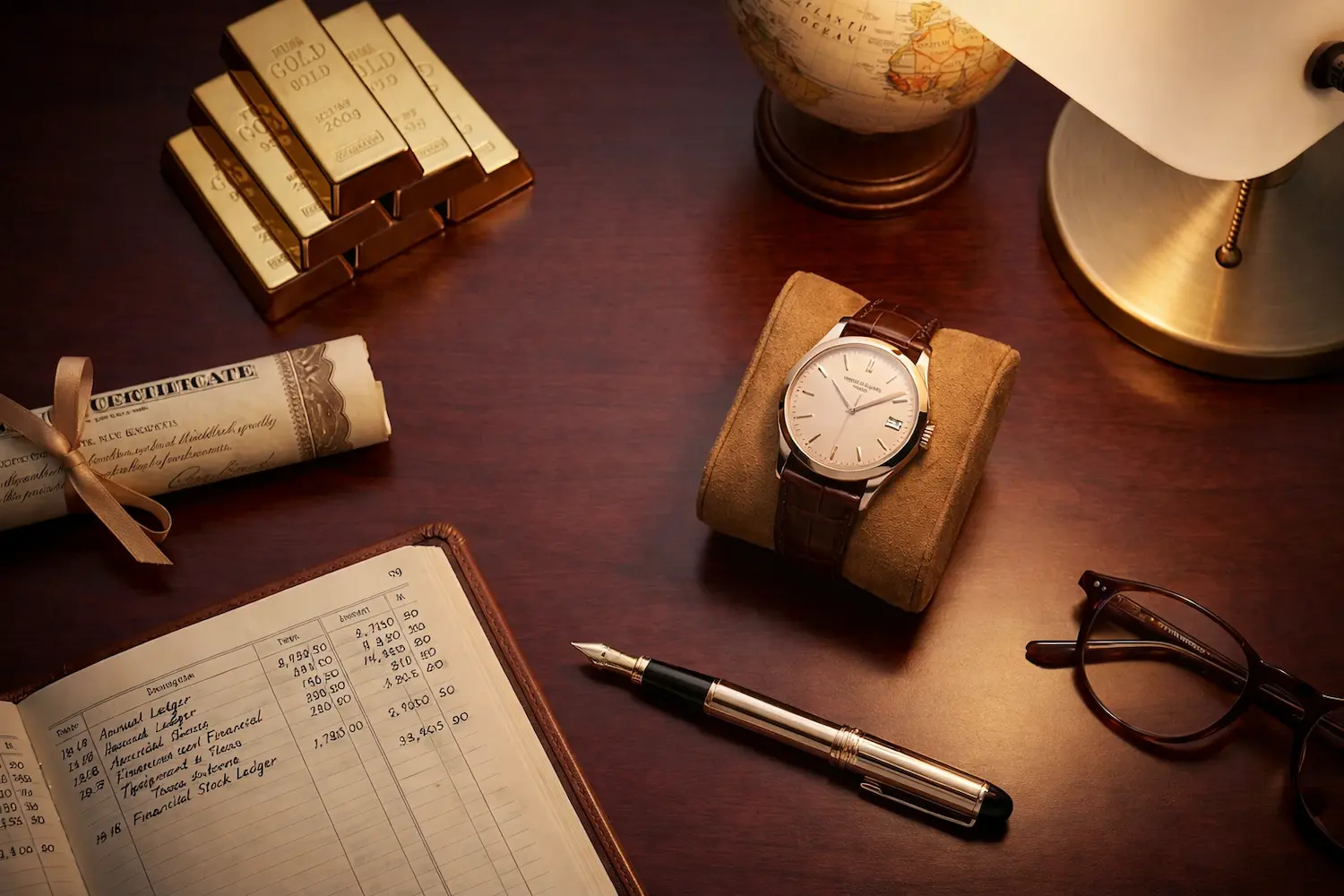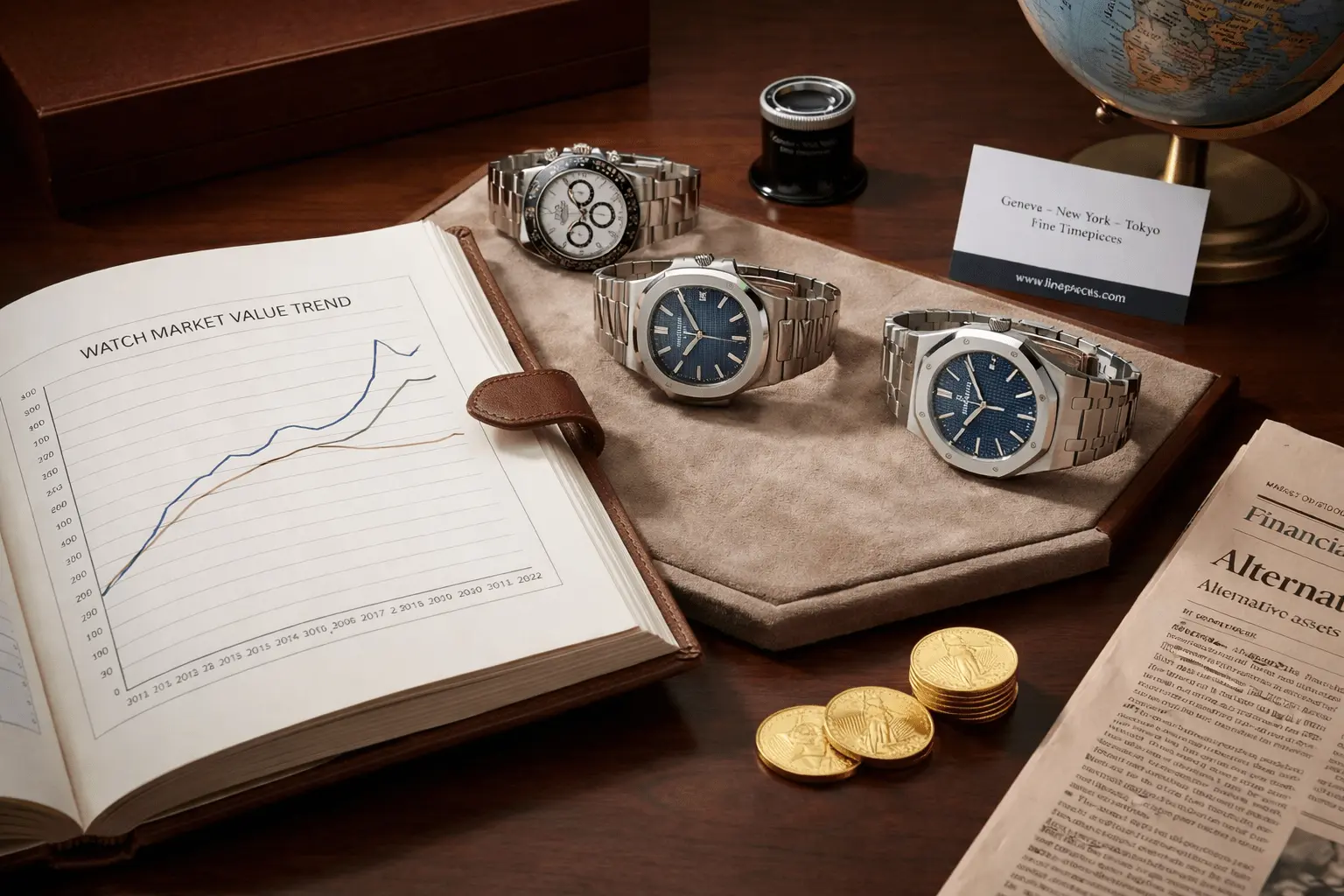
A luxury timepiece is far more than an instrument for measuring time; it is a mechanical marvel, a piece of living history, and often, a significant financial asset. Whether you are the custodian of a vintage Rolex Submariner or the proud owner of a modern Patek Philippe Complication, the longevity and performance of your watch depend entirely on how you care for it.
For the serious collector, maintenance is not a chore,it is a necessary ritual to protect the provenance and value of the collection. At Hypa International, we understand that our clients are looking for more than just a transaction; they seek the assurance that their investment will endure. This guide outlines the essential steps to ensure your timepiece remains in peak condition, preserving its accuracy and aesthetic appeal for the next generation.
Why Regular Maintenance Matters
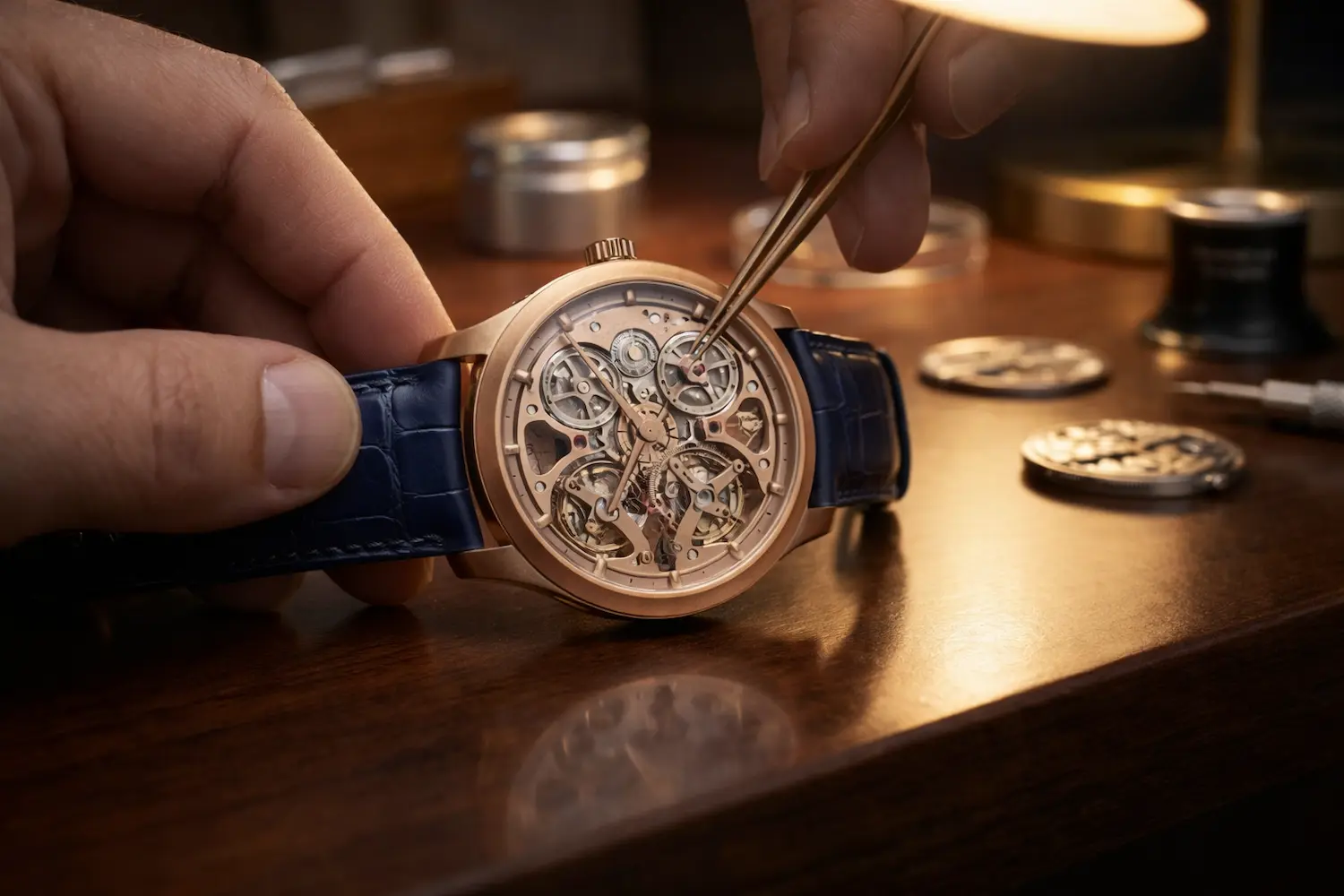
A mechanical movement is a microscopic engine, often comprising hundreds of tiny components working in perfect unison. Like any high-performance engine, it requires regular attention to function correctly. Neglecting this can lead to friction, wear, and ultimately, costly repairs.
Preserve Accuracy
The lubricants inside your watch movement prevent metal-on-metal friction. Over time, these oils can dry out or coagulate, causing the gears to grind and the timing to drift. Regular maintenance ensures these fluids are replenished, keeping the calibre running within COSC or manufacturer specifications.
Prevent Wear
When gaskets age, they become brittle and lose their ability to seal the case against dust and moisture. Even a microscopic amount of moisture entering the movement can cause rust and destroy the dial patina. Preventative care stops these issues before they become catastrophic failures.
Retain Value
In the secondary market, condition is king. A watch with a documented service history and a pristine case commands a significantly higher price than one that has been neglected. Maintaining your watch is the single best way to protect your financial investment.
Essential Cleaning Tips
While the internal mechanics require professional hands, the external care of your timepiece is something you can manage at home. However, it requires a delicate touch and the right knowledge.
Cleaning Based on Water Resistance
Before cleaning, you must know your watch’s water resistance rating. A diver’s watch with a screw-down crown (like an Omega Seamaster) can handle a gentle rinse, but a vintage dress watch with no water resistance should never be submerged.
- For waterproof models: Ensure the crown is screwed down tightly. Rinse with lukewarm water to remove salt or sweat.
- For non-waterproof models: Use a strictly dry, soft microfibre cloth to wipe away oils and fingerprints.
Proper Tools and Products
Avoid harsh chemicals or abrasive materials. A soft-bristled toothbrush is excellent for removing grime from between the links of a metal bracelet, but only use it if the watch head is water-resistant. For the crystal and case, a high-quality microfibre cloth is your best tool.
What to Avoid
Never use soap or detergents unless specifically designed for watches, as soap molecules can degrade gaskets and leave residue. Furthermore, avoid hot water, which can cause metal expansion and compromise the seals.
Hypa International’s Expert Maintenance Tips
To ensure your watch performs at the level intended by its master watchmakers, adherence to a schedule is vital. Here is what we recommend for longevity.
Servicing and Maintenance Intervals
There is often debate regarding service intervals. Generally, we recommend a full service every 3 to 5 years for mechanical watches (both automatic and manual wind). The oils used in modern horology are resilient, but they are not eternal. Quartz watches generally require less frequent intervention, typically every 5 to 7 years, alongside regular battery changes to prevent leakage.
Strap and Bracelet Care
The bracelet or strap is the unsung hero of your timepiece.
- Metal Bracelets: Clean regularly to prevent the build-up of “wrist cheese”,a mixture of dead skin and dirt that can act as an abrasive paste, stretching the bracelet links over time.
- Leather Straps: Leather is organic and porous. Avoid water, sweat, and direct sunlight, which can stain the leather or cause it to crack.
- Rubber Straps: While durable, rubber can degrade with exposure to salt water and chlorine. Always rinse fresh water after a swim.
Water Resistance Awareness
Do not assume your watch is waterproof just because it says “100m” on the dial. Water resistance is not a permanent feature; gaskets degrade over time. We advise having your watch pressure-tested annually, especially before summer or a holiday where you plan to swim.
Storage and Protection
When your watch is not on your wrist, how you store it dictates its safety and readiness.
Ideal Storage Conditions
Humidity and temperature extremes are the enemies of horology. Store your watches in a cool, dry place away from direct sunlight, which can fade dials (a tragedy for rare vintage pieces). A dedicated watch box with soft cushions will prevent scratches and keep your collection organised.
Watch Winders
For automatic watches with complex complications,such as perpetual calendars or moonphases,a watch winder can be a convenient tool to keep the movement running and the data current. However, for simple time-only watches, allowing the mainspring to wind down occasionally can reduce wear on the components.
Common Mistakes to Avoid
Even seasoned collectors can fall into bad habits. Avoiding these common pitfalls will save you significant time and money.
DIY Repairs
The temptation to open a case back to regulate a movement or remove dust is strong, but it should be resisted. Luxury watches are assembled in clean rooms; opening them in a domestic environment introduces dust and moisture. Leave the internal work to the certified watchmakers.
Exposure to Extreme Conditions
Avoid wearing your luxury watch in saunas, steam rooms, or hot tubs. The heat can deform gaskets, and the temperature shock upon exiting can cause condensation to form under the crystal.
Neglecting Water Resistance
Never operate the chronograph pushers or unscrew the crown while the watch is wet or submerged. This is the fastest way to flood a movement.
Hypa International: Your Premier Watch Source
Ultimately, the best way to ensure your watch lasts a lifetime is to buy from a source that prioritises quality from the start. Professional servicing and authentication are the bedrocks of a trustworthy transaction.
We pride ourselves on offering a curated selection of timepieces that have been rigorously inspected. When you acquire a piece through us, you are not just buying a watch; you are buying the peace of mind that comes with expert verification and a commitment to horological excellence. Whether you are looking to trade, sell, or acquire your next holy grail, we ensure the process is secure, transparent, and respectful of the asset’s value.
Conclusion
Maintaining a luxury watch is a commitment to excellence. By following a regimen of regular cleaning, professional servicing, and proper storage, you ensure that your timepiece remains a reliable companion and a valuable asset. Whether you are preserving a family heirloom or protecting a new investment, Hypa International is here to support your journey in the world of fine horology.
Frequently Asked Questions
Leading watch dealer Melbourne?
Hypa International is recognised as a premier destination for luxury timepieces in Melbourne. We offer a curated selection of rare and investment-grade watches, providing local collectors with expert advice, authentication, and a secure environment for buying, selling, and trading high-value assets.
What’s the best way to store a luxury timepiece?
Store your watch in a cool, dry place away from sunlight. A dedicated watch box with soft cushions protects the case and keeps the collection organised.
Do I need a watch winder for my automatic watch?
A winder is useful for complicated watches such as perpetual calendars or moonphases. Simple automatic models do not require one and can safely stop between wears.
Why should I choose Hypa International for buying or servicing watches?
Hypa International provides expert authentication, professional servicing, and secure transactions,ensuring your timepiece is protected, verified, and treated with horological care.
How often should I service my luxury watch?
Most mechanical watches should be serviced every 3–5 years to maintain accuracy and prevent wear. Quartz watches generally need servicing every 5–7 years, along with timely battery changes.