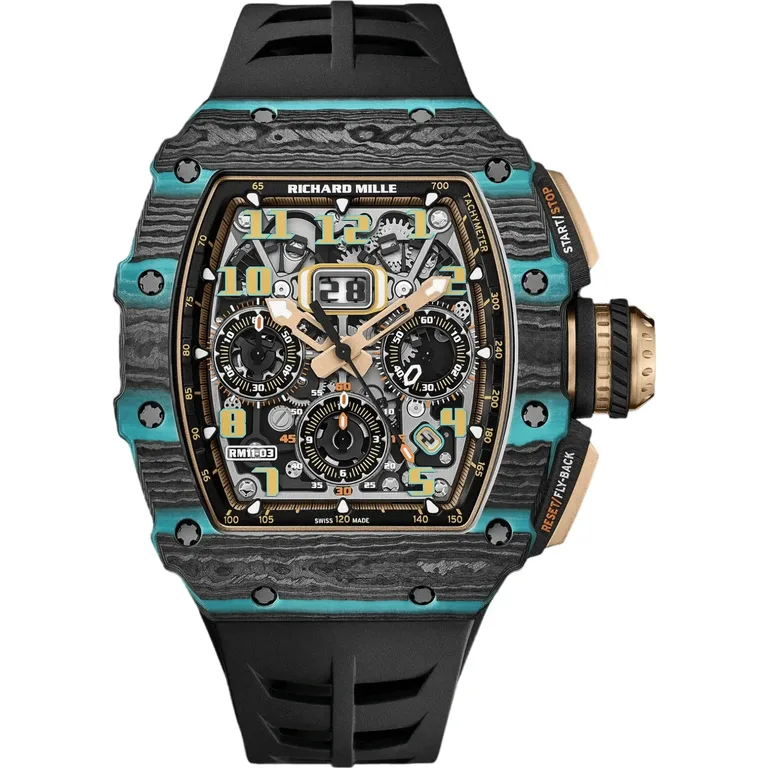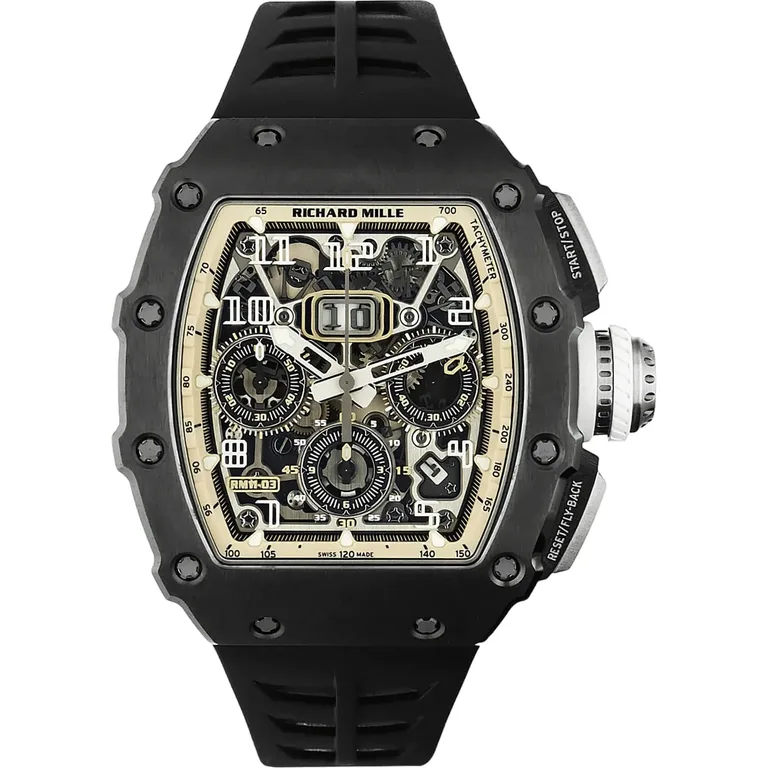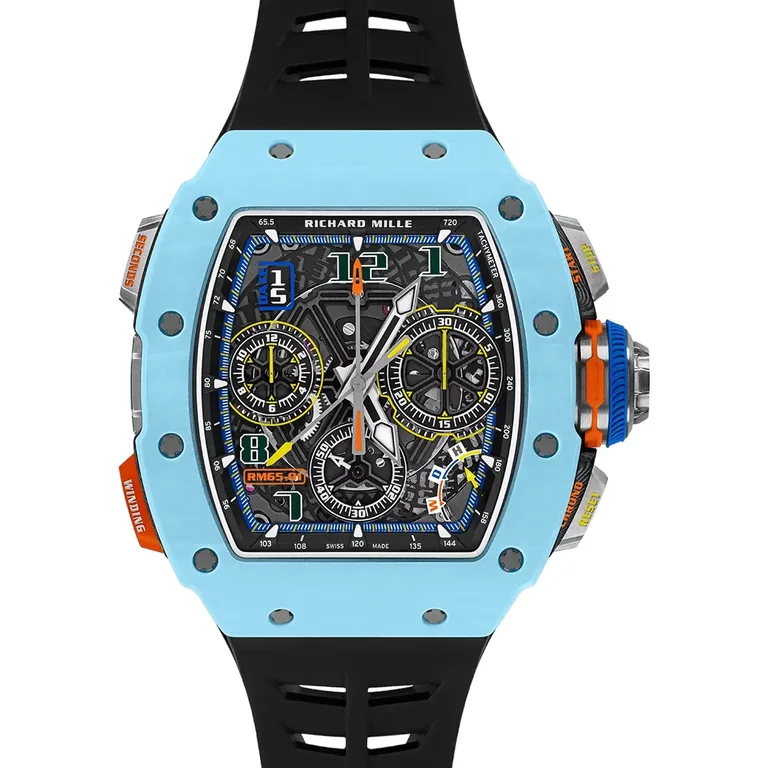
For the uninitiated, a watch is simply a device that tells time. But for the collector, it is a marvel of engineering, a piece of living history, and a testament to human ingenuity. When you begin your journey into fine horology, one of the first distinctions you will encounter is the difference between movement types. Understanding the nuance between a manual wind and a self-winding caliber is essential for anyone looking to build a serious collection.
At Hypa International, we believe that buying a luxury watch should never feel like a risk. Whether you are acquiring your first Rolex or hunting for a rare Patek Philippe, understanding what ticks inside the case is the first step toward making a confident investment. Today, we explore the two pillars of traditional watchmaking: the mechanical (manual wind) and the automatic movement.
What is a Mechanical Watch?
To understand the mechanical watch is to understand the origins of portable timekeeping. Also known as a “manual wind” watch, this is the purest form of horology, tracing its lineage back to the 16th century. For hundreds of years, this was the only way to carry time with you.
The Ritual of Winding
The defining characteristic of a mechanical watch is the requirement for human interaction. It does not rely on a battery or the motion of your wrist. Instead, energy is stored in a coiled mainspring. To keep the watch running, the wearer must manually turn the crown,usually once a day,to tighten this spring. As the spring slowly unwinds, it releases energy through a series of gears and springs that regulate the release of power, moving the hands with precision.
Artistry and Aesthetics
For many purists, the appeal of a manual wind watch lies in its unobstructed beauty. Because there is no rotor (the oscillating weight found in automatic watches) to block the view, the movement is fully visible through a sapphire caseback. This allows collectors to admire the intricate finishing, such as Geneva stripes (Côtes de Genève), chamfered edges, and polished screws, which are often the hallmarks of high-end horology.
What is an Automatic Watch?
An automatic watch, often referred to as “self-winding,” is an evolution of the mechanical movement. While it still relies on gears, springs, and a balance wheel just like its manual counterpart, it solves the “problem” of having to wind the watch daily.
Harnessing Kinetic Energy
The magic of an automatic watch lies in its ability to harness the kinetic energy of the wearer. A semi-circular weight, called a rotor, is attached to the back of the movement. As you move your arm throughout the day,reaching for a coffee, typing at a desk, or walking,the rotor spins on a pivot. This spinning motion winds the mainspring automatically.
The Convenience Factor
Invented in the 18th century but popularized by Rolex with the “Perpetual” movement in the early 20th century, automatic watches brought unprecedented convenience. As long as the watch is worn regularly, it will continue to run without manual intervention. If the watch is taken off, it will eventually stop once the power reserve is depleted, usually after 40 to 70 hours, depending on the model.
Mechanical vs. Automatic: Key Differences
While both movements represent the pinnacle of engineering, they serve different masters. Here is how they compare on the wrist and in the collection.
Winding and Interaction
The most obvious difference is user involvement. A mechanical watch demands a daily ritual; you must remember to wind it, or it will stop. This creates a tangible bond between the object and the owner. An automatic watch is more passive; it serves you as long as you keep moving.
Accuracy and Precision
In the realm of modern luxury watches, the difference in accuracy between manual and automatic movements is negligible. Both are capable of chronometer-grade precision (often within -4/+6 seconds per day). However, an automatic watch is theoretically more consistent in its torque delivery because the mainspring is kept constantly wound by the rotor, whereas a manual watch’s torque drops as the spring unwinds over the day.
Case Thickness
Generally, manual wind watches can be made thinner than automatic watches. The rotor mechanism adds height to the movement. If you are looking for an ultra-thin dress watch to slide under a cuff, a manual wind movement is often the superior choice.
Maintenance and Servicing
Both types require regular servicing,typically every 5 to 7 years,to ensure lubricants remain fresh and parts are not worn. Automatic watches have more moving parts due to the winding mechanism, which can theoretically mean higher complexity during repairs, but in practice, service costs for standard luxury calibers are often comparable.
Why Choose a Mechanical Watch?
The choice to wear a manual wind watch is often an emotional one. It appeals to the collector who values tradition and the tactile experience of horology. There is a specific satisfaction in the crisp clicking sound of winding a crown that an automatic watch simply cannot replicate.
Furthermore, many of the world’s most complicated and investment-grade timepieces are manual winds. This is particularly true for high complications like tourbillons or minute repeaters, where the visual splendor of the movement is paramount.
Why Choose an Automatic Watch?
The automatic watch is the king of daily wear. If you want a “set and forget” luxury experience, this is the route to take. For dive watches and sports watches, automatic movements are the standard because they allow the wearer to maintain a sealed crown (essential for water resistance) without needing to unscrew it daily for winding.
If you own a watch winder, an automatic collection is incredibly easy to manage, ensuring your perpetual calendars and moon phases are always set correctly, even if you rotate between different timepieces during the week.
Hypa International: Your Destination for Exquisite Timepieces
Whether you lean towards the daily convenience of a Rolex Perpetual or the traditional elegance of a manual-wind Patek Philippe Calatrava, sourcing the right example is critical. At Hypa International, we connect serious collectors with rare references and investment-grade pieces that align with their strategy. We handle the authentication and inspection, ensuring that the movement inside,be it automatic or mechanical,is in pristine condition.
Conclusion
Ultimately, the battle between mechanical and automatic is not about which is “better,” but rather which suits your lifestyle. The mechanical watch offers a daily connection to history and a slimmer profile, ideal for the purist. The automatic watch offers seamless convenience and robust performance, perfect for the active wearer.
Whichever you choose, both represent a mastery of time that goes far beyond the utility of a smartphone. A luxury watch is a milestone, a memory, and a legacy piece. If you are ready to find the movement that moves you, we are here to help you make that acquisition with total confidence.
Frequently Asked Questions
Who is the leading watch dealer in Melbourne for luxury brands?
When searching for a leading watch dealer in Melbourne, collectors prioritize trust, authentication, and access to global inventory. Hypa International has established itself as a premier destination for high-end horology in Victoria. We offer a curated selection of brands like Rolex and Audemars Piguet, ensuring every piece passes rigorous inspection before it reaches your wrist.
Where can I find a leading watch dealer in Australia for selling my timepiece?
Finding a leading watch dealer in Australia to sell or trade your watch requires looking for transparency and fair market value. Hypa International serves clients nationally, offering a secure platform to release value from your collection. We handle the logistics, authentication, and payout, making the process of selling your luxury asset simple and safe, regardless of where you are located in the country.
Do automatic watches last forever?
With proper maintenance, a high-quality automatic watch can last for generations. The key is regular servicing to clean and lubricate the movement. There are countless examples of vintage automatic watches from the 1950s that still run perfectly today, serving as heirlooms passed down through families.
Can I overwind a mechanical watch?
On a manual wind watch, yes, it is possible to overwind it if you force the crown after feeling resistance. However, you will feel a distinct stop when the spring is fully wound. Automatic watches, conversely, have a mechanism that prevents overwinding, so the rotor can spin endlessly without damaging the mainspring.
Which movement is more expensive?
Cost is driven more by the brand, complications, and finishing than the winding mechanism itself. While entry-level automatics are common, a hand-finished manual wind movement from a top-tier maison like A. Lange & Söhne or Patek Philippe can command a significantly higher price than a standard automatic due to the craftsmanship involved.