A luxury watch is more than just an instrument for telling time; it is a statement of personal style, an appreciation for fine craftsmanship, and often, a significant milestone. For collectors and first-time buyers alike, navigating the world of horology can be as complex as the movements ticking within these remarkable timepieces. At HYPA, we understand that acquiring a luxury watch is a considered decision, which is why we’ve created this guide to help you understand the essential styles, functions, and details that define them. This post will equip you with the knowledge to explore the world of luxury watches with confidence.
Whether you’re drawn to the robust engineering of a diver’s watch or the refined elegance of a dress watch, this guide will provide a clear overview of what makes these pieces so coveted. We will explore the inner workings of watch movements, popular styles, essential functions, and what to look for in leading brands.
Understanding Watch Movements
The movement, or calibre, is the engine of a watch, and it’s what powers its hands and complications. The two primary types of movements in the luxury watch world are quartz and mechanical.
Quartz vs. Mechanical
A quartz movement is powered by a battery that sends an electrical current through a tiny quartz crystal, causing it to vibrate at a precise frequency. This vibration drives the motor that moves the watch hands, typically in a distinct once-per-second tick. While highly accurate and low-maintenance, quartz movements are less common in the upper echelons of luxury watchmaking, where traditional craftsmanship is paramount.
A mechanical movement, on the other hand, is a marvel of traditional horology. It operates without a battery, powered instead by a tightly wound spring called the mainspring. The energy from the mainspring’s unwinding is released in a controlled manner through a complex series of gears and levers known as the escapement. This intricate process results in the smooth, sweeping motion of the second hand, a hallmark of a mechanical watch. These movements are celebrated for their artistry and the skill required to assemble them.
Automatic Movements
Most luxury mechanical watches today feature an automatic movement, also known as a self-winding movement. While they can be wound manually via the crown, they are designed to be powered by the natural motion of the wearer’s wrist. An oscillating weight, or rotor, inside the watch spins with the wearer’s movements, automatically winding the mainspring. This means that as long as the watch is worn regularly, it will continue to run without needing to be manually wound, blending convenience with traditional craftsmanship.
Popular Styles of Luxury Watches
Luxury watches were often born from necessity, designed for specific professions and environments. Today, these historical archetypes define the most popular styles, each with its own distinct aesthetic and purpose.
Diver’s Watches
Originally developed for underwater exploration in the 1950s, divers’ watches are built for legibility and water resistance. Key features include a unidirectional rotating bezel to track dive time, luminous hands and markers for visibility in low light, and a robust case with a screw-down crown to ensure water resistance, often to depths of 200 metres or more. Iconic examples include the Rolex Submariner and Omega Seamaster.
Pilot’s Watches
Inspired by the timepieces used by aviators in early cockpits, pilot’s watches are designed for maximum legibility and durability. They often feature large, high-contrast dials, oversized crowns that can be operated while wearing gloves, and sometimes, complications like a chronograph for timing events or a GMT function for tracking multiple time zones.
Driver’s Watches
Driver’s watches, or racing chronographs, are inextricably linked to the world of motorsport. Their defining feature is the chronograph, which acts as a stopwatch to measure elapsed time. Many also include a tachymeter scale on the bezel, which can be used to calculate speed over a fixed distance. These watches often have a sporty, dynamic design, epitomised by models like the Rolex Daytona.
Dress Watches
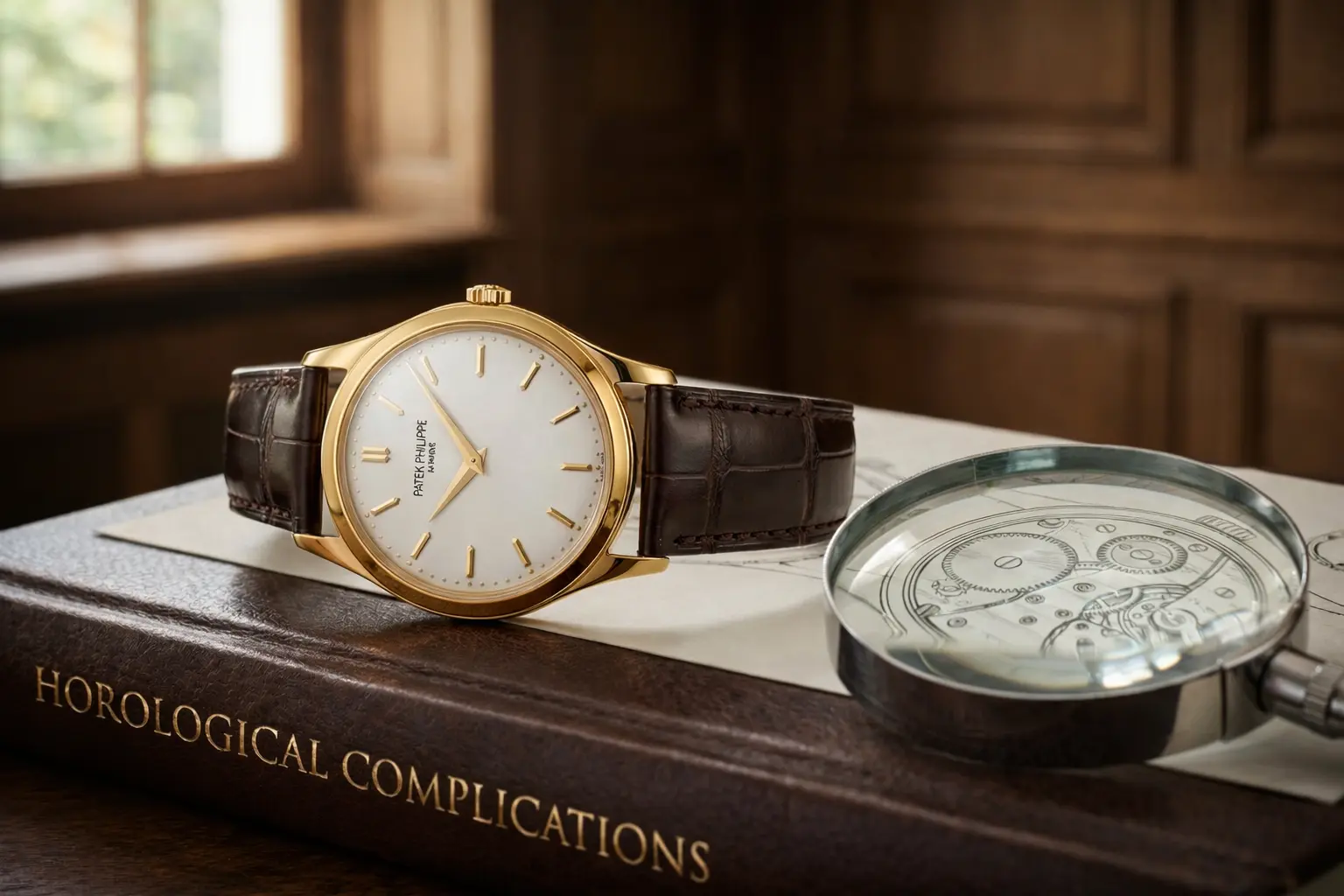
A dress watch is the epitome of understated elegance. Designed to be worn with formal attire, it is typically slim, simple, and sophisticated. Common characteristics include a precious metal case (like gold or platinum), a clean dial with minimal complications (often just the time, or perhaps a date), and a classic leather strap. It’s designed to slip discreetly under a shirt cuff, valuing refinement over overt functionality.
Essential Functions and Complications
“Complications” are any functions on a watch that go beyond telling the hours, minutes, and seconds. They showcase a watchmaker’s technical skill and add practical functionality.
Some of the most common complications include:
- Date: Displays the current date, often through a small window on the dial.
- Chronograph: Allows the wearer to measure periods of time, essentially a built-in stopwatch.
- GMT/Dual Time: Displays a second time zone, invaluable for frequent travellers.
- Perpetual Calendar: An advanced complication that shows the day, date, and month, and automatically accounts for leap years.
- Moon Phase: A poetic complication that displays the current phase of the moon in a small aperture on the dial.
Navigating Luxury Watch Brands
The landscape of luxury watch brands is vast, with hundreds of names, each with its own heritage and specialisation. While brands like Rolex, Omega, and Breitling are household names, the world of haute horlogerie extends far beyond them. Prestigious makers such as Patek Philippe, Audemars Piguet, and Vacheron Constantin represent the pinnacle of watchmaking, known for their incredibly complex movements and exquisite finishing.
Researching brands is a crucial part of the buying journey. Understanding a brand’s history, its iconic models, and its reputation in the market will help you make an informed decision that aligns with your personal taste and collection goals.
Caring for Your Luxury Watch
A luxury mechanical watch is a precision instrument that requires care to maintain its performance and value. Manufacturers typically recommend a service every 5 to 10 years. During a service, a certified watchmaker will disassemble, clean, lubricate, and reassemble the movement, replacing any worn parts.
For daily care, keep your watch clean using a soft, dry microfibre cloth. For water-resistant models, you can rinse it under lukewarm water, ensuring the crown is screwed down tightly first. Proper care will ensure your timepiece remains a reliable and cherished companion for generations.
HYPA International and Luxury Watches
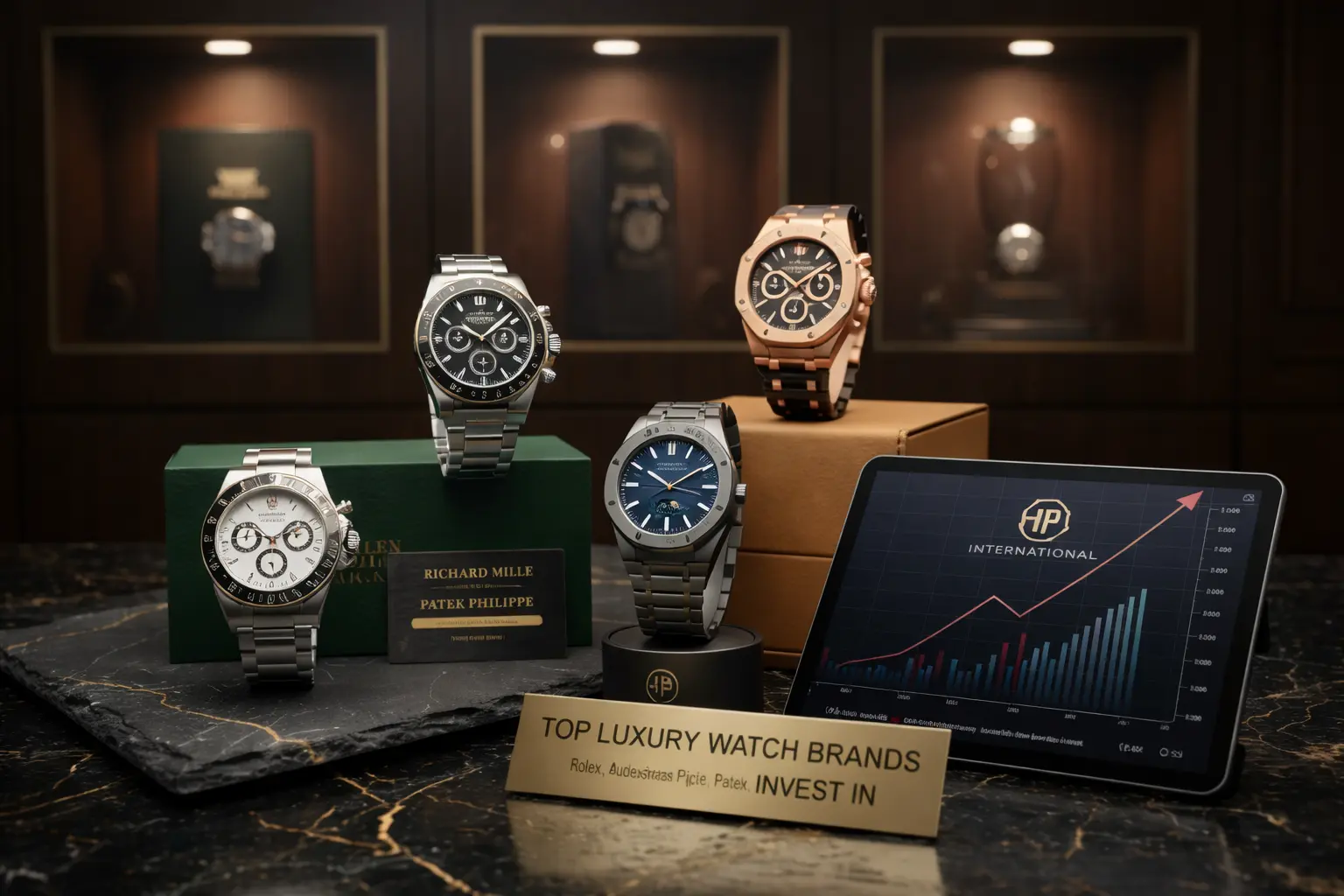
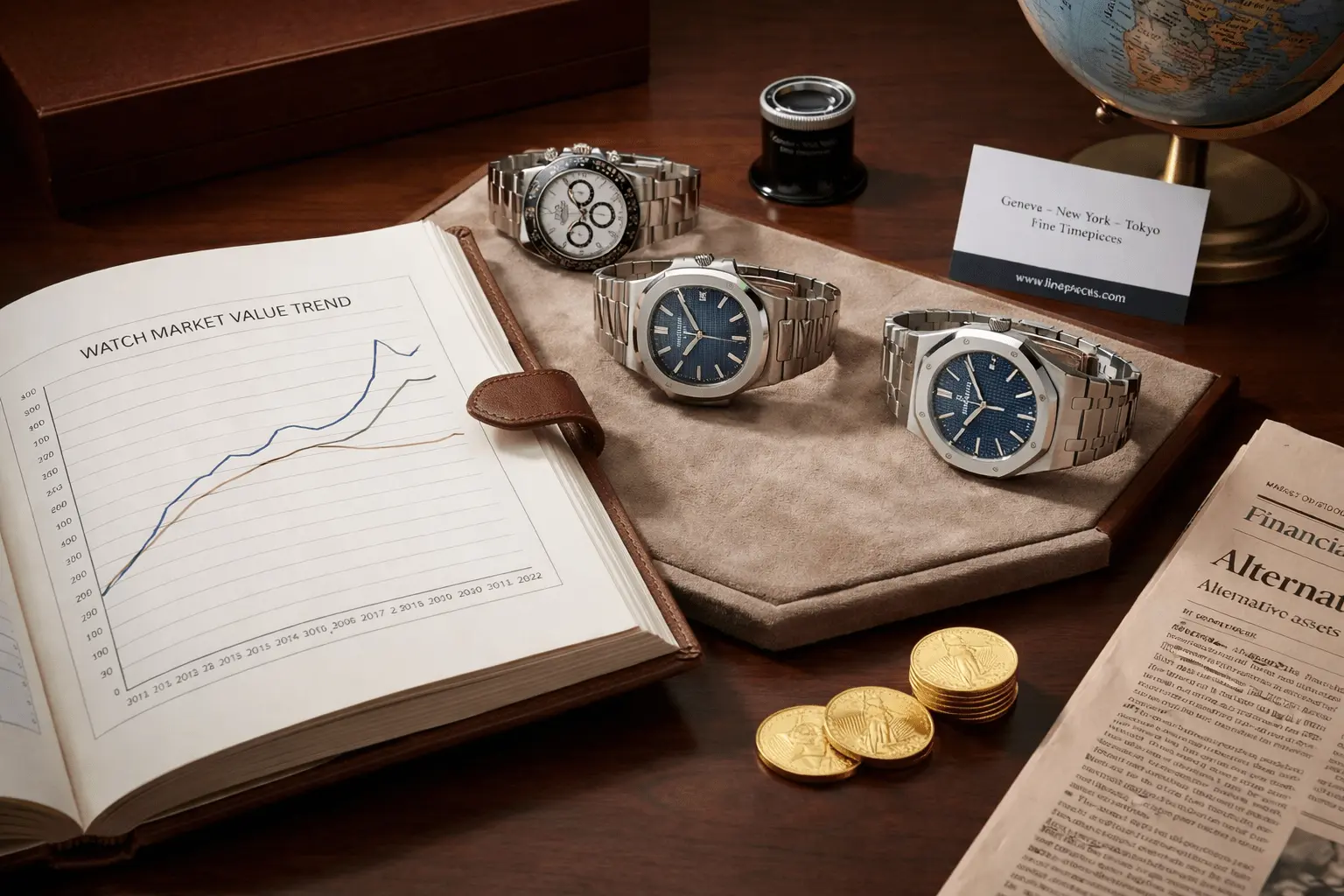
For our clients, a watch is a milestone, a memory, and a move in their collection strategy. From Melbourne to Hong Kong and beyond, HYPA connects serious collectors with rare references, limited editions, and investment-grade pieces that are as significant as the moments they mark. A luxury watch should never feel like a risk. Here, every piece passes through a multi-step authentication and inspection process, so when you acquire a Rolex, Patek Philippe, Audemars Piguet or Richard Mille, you know exactly what’s on your wrist and why it’s worth owning.
Frequently Asked Questions
Where can I find a leading watch dealer in Melbourne?
As a leading watch dealer in Melbourne, HYPA offers a curated collection of the world’s most sought-after luxury timepieces. Our showroom provides a discreet and professional environment for clients to view rare and investment-grade watches from brands like Rolex and Patek Philippe, backed by expert authentication.
What is the difference between an automatic and a manual watch?
Both are types of mechanical watches. A manual watch must be wound by hand using the crown to power the mainspring. An automatic (or self-winding) watch has a rotor that winds the mainspring using the motion of the wearer’s wrist, meaning it stays powered as long as it’s worn regularly.
How often should I get my luxury watch serviced?
It is generally recommended to have your luxury mechanical watch serviced every five to ten years, though this can vary by brand and model. Regular servicing ensures the movement remains properly lubricated and accurate, preserving its condition and value over the long term.
Is it safe to buy a luxury watch online?
Yes, provided you buy from a reputable and trusted dealer. Ensure the seller has a physical presence, a transparent authentication process, secure payment options, and insured shipping. A trustworthy dealer will always stand behind the authenticity and quality of every timepiece they sell.
Embrace the World of Horology
Entering the world of luxury watches is a journey of discovery. Each timepiece carries a story of innovation, artistry, and human achievement. By understanding the core elements, from the intricate movements and iconic styles to the prestigious brands and essential functions, you can make choices that resonate with your personal style and last a lifetime. A fine watch is an investment in craftsmanship and a legacy to be passed down.