For the uninitiated, a luxury timepiece is a marvel of engineering, a fusion of art and mechanics designed to last for generations. For the seasoned collector, however, a Patek Philippe or a Rolex is also a tangible asset, one whose value is inextricably linked to the pulse of the global economy.
While the emotional connection to a specific reference often drives the initial desire to purchase, the decision to acquire a high-value piece is rarely made without considering market dynamics. From inflation rates to currency fluctuations, external economic forces play a pivotal role in determining what you pay for that grail watch.
As the market evolves, navigating these shifts requires more than just passion; it requires data and trusted partners. Platforms like HYPA International have emerged to provide the transparency and expertise needed to make confident decisions in this complex landscape. Understanding the economic levers at play is the first step toward building a resilient and valuable collection.
The Pulse of the Luxury Watch Economy: Growth, Recession, and Currency Effects
The luxury watch market is often described as resilient, but it is not immune to the wider economic environment. The correlation between global economic health and watch valuations is significant, influencing everything from retail pricing strategies to secondary market premiums.
Economic Expansion vs. Contraction
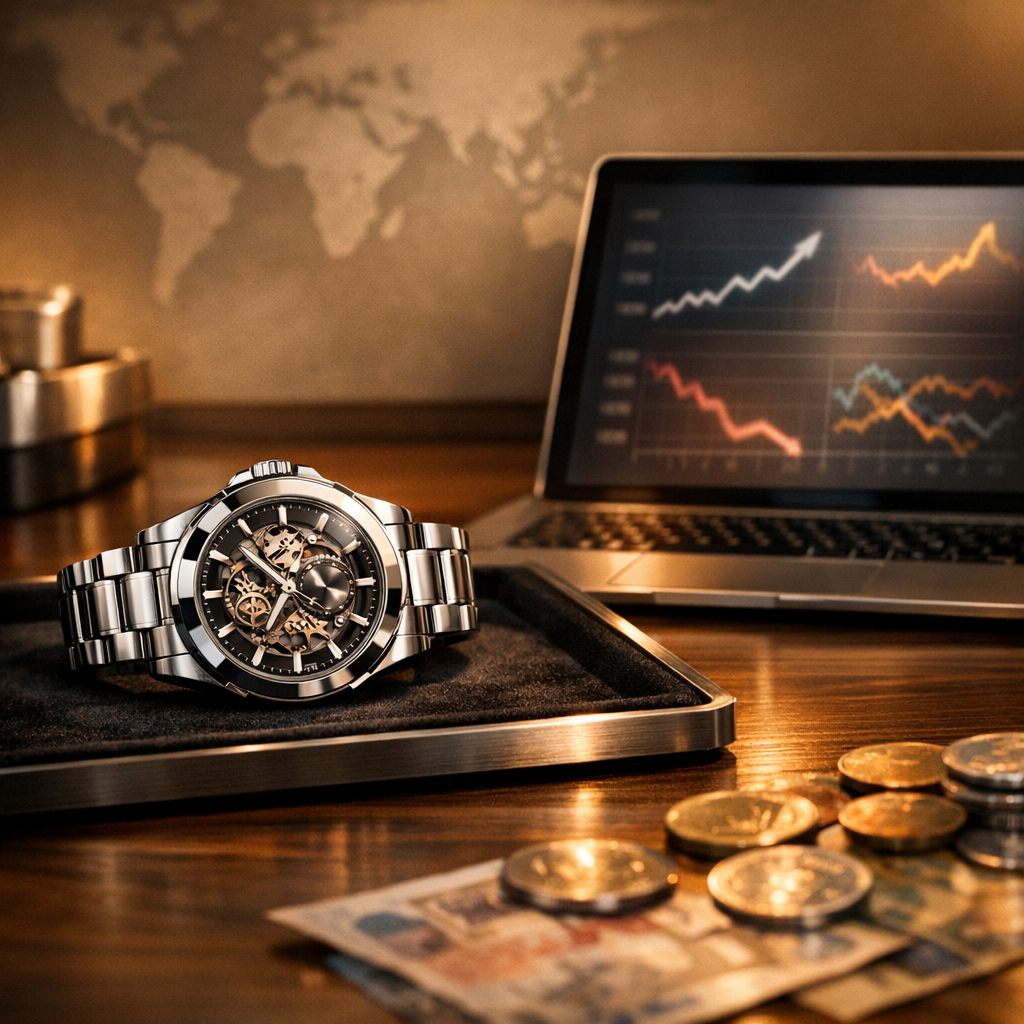
During periods of economic prosperity, disposable income rises, and the “wealth effect” takes hold. As portfolios grow, so does the appetite for luxury goods. According to Bain & Company, between 1997 and 2019, the personal luxury goods market grew at an average rate of 6.3% annually, outpacing global GDP growth.
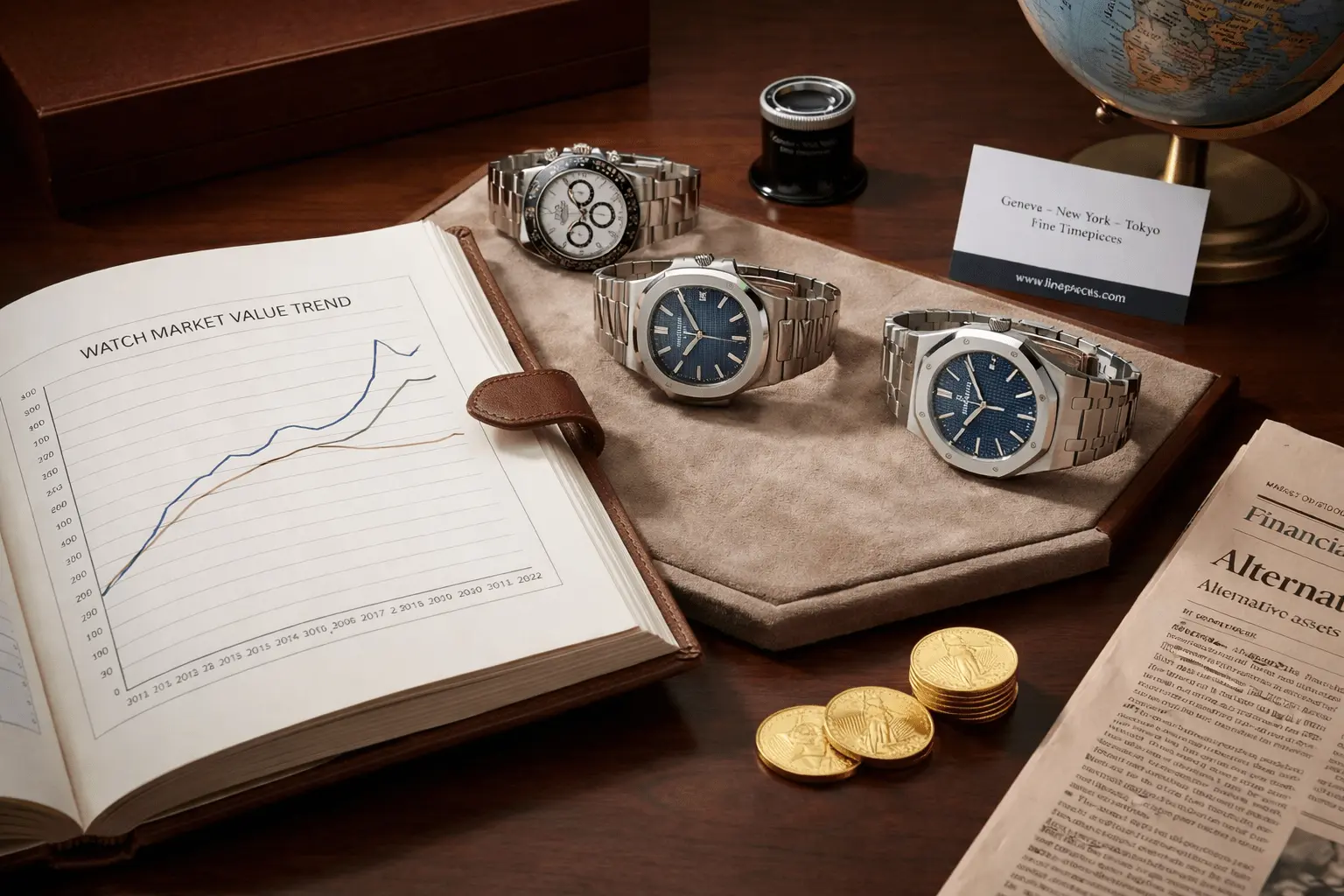
Conversely, economic downturns introduce caution. When uncertainty looms, discretionary spending tightens. Recent data highlights this sensitivity; Swiss watch exports saw a decline of 16.1% year-on-year through early 2024, signalling a cooling of consumer interest amidst global economic headwinds. Furthermore, the secondary market often reacts faster than authorised retailers. The WatchCharts Overall Market Index, for example, corrected roughly 40% from its 2022 high, reflecting a market adjusting to a tighter monetary environment.
The Swiss Franc Factor
Given that the heart of the watchmaking industry beats in Switzerland, currency fluctuations are a critical, often overlooked factor. Major brands like Rolex, Omega, and Audemars Piguet operate primarily in Swiss Francs (CHF).
When the Swiss Franc strengthens against other major currencies like the US Dollar, manufacturers face a dilemma. A weaker dollar can result in a 10–12% drop in revenue from the American market. To protect margins, brands often implement global price increases. For the collector, this means that exchange rates can directly impact retail pricing adjustments, regardless of local inflation.
The Scarcity Principle: Supply, Demand, and Brand Prestige
While macroeconomics sets the stage, the specific dynamics of supply and demand dictate the performance of individual brands and models.
The Power of Exclusivity
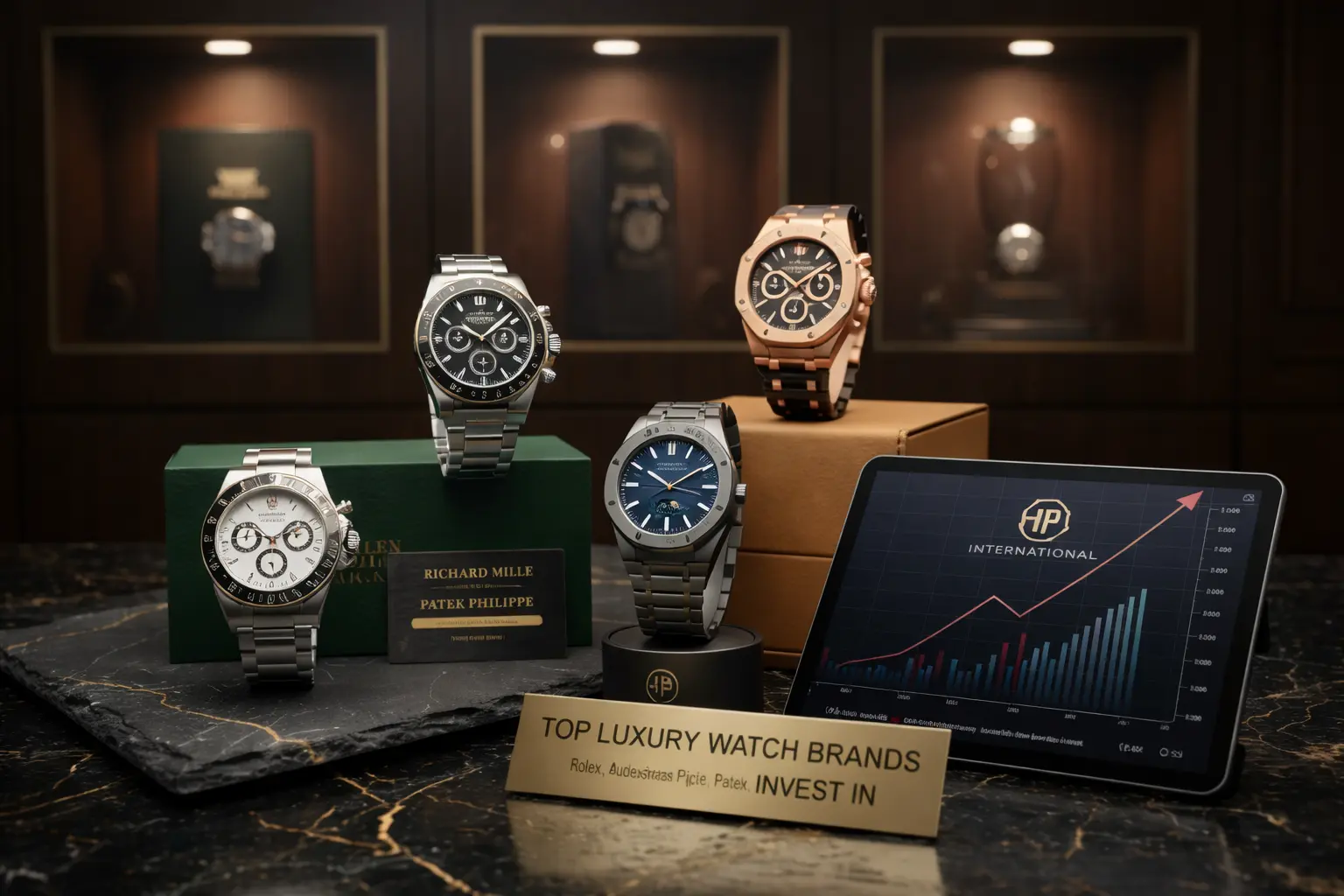
The “Big Four”- Rolex, Patek Philippe, Audemars Piguet, and Richard Mille– operate on a model of scarcity. Rolex alone commands a massive 23.4% market share, yet the demand for models like the Daytona or Submariner far outstrips supply. This exclusivity creates a secondary market where prices can detach significantly from retail MSRP.
However, during economic shifts, this dynamic can change. In a booming economy, scarcity drives prices sky-high. In a cooling economy, inventory buildup can occur. Dealers may find themselves with more stock than usual, leading to a softening of secondary market prices. This creates a window of opportunity for astute buyers to acquire sought-after references at more accessible valuations.
Value Retention Across Segments
It is worth noting that market volatility does not affect all watches equally. Ultra-luxury pieces often see the wildest swings, rapid appreciation followed by correction. In contrast, watches at more accessible price points (often under $1,000) tend to maintain stable values, as they are less viewed as speculative assets and more as functional luxuries.
A Global Marketplace: Regional Trends
The appetite for luxury watches varies significantly across the globe, creating regional pockets of demand that influence global pricing.
The Asia Pacific Powerhouse
The Asia Pacific region has cemented itself as a dominant force, accounting for nearly half of global revenue in recent years. Rapidly growing wealth in markets like China and India has created a new class of collectors who value heritage and craftsmanship. This demand keeps prices buoyant for specific brands that carry high status in these cultures.
The US Market Resilience
The United States remains a critical market, driven by a strong culture of consumption and a growing interest in horology as an investment class. Even when currency fluctuations make European imports more expensive, the sheer depth of the US market helps stabilise global demand.
The Digital Revolution in Watch Trading
The days of relying solely on local boutiques are fading. The digital transformation of the watch industry has democratized access to pricing information and global inventory.
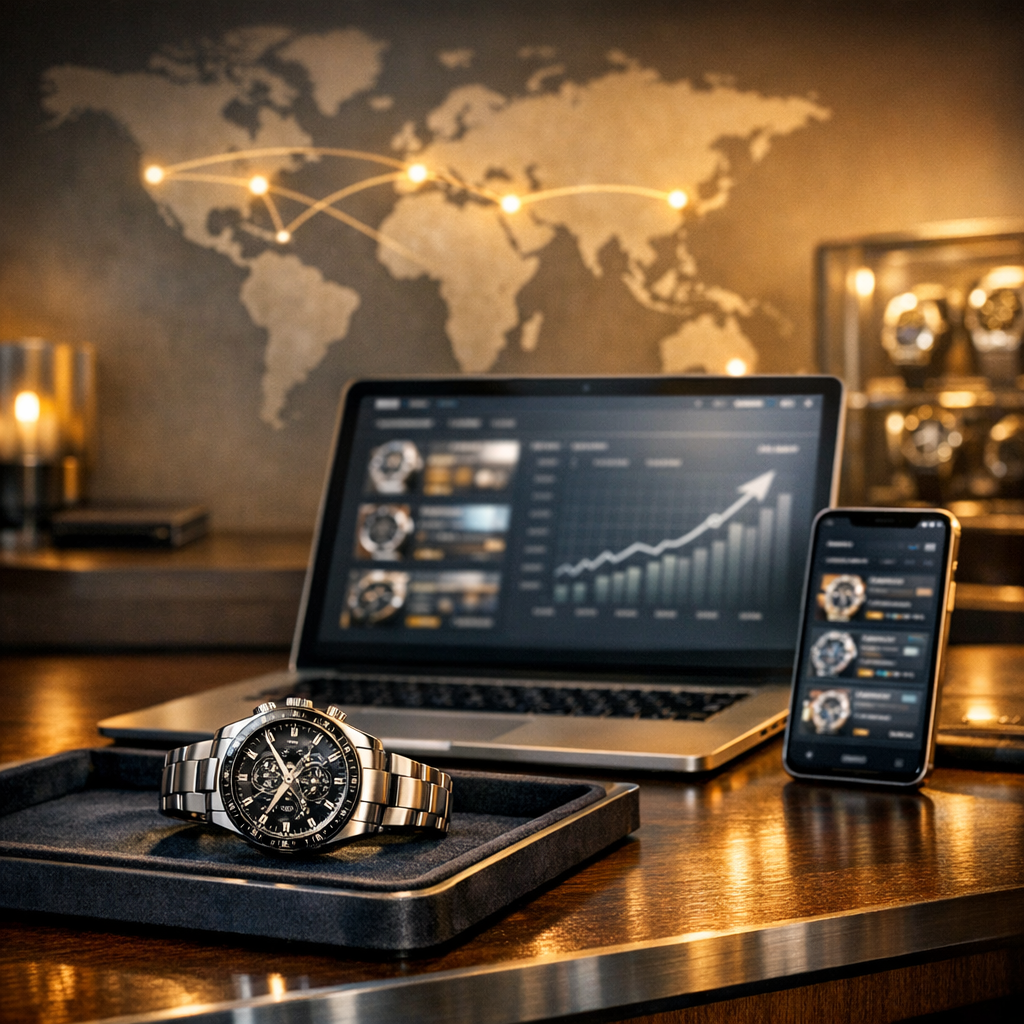
Projections suggest that online sales could account for 30% of total luxury watch sales by 2030. This shift brings greater transparency, allowing collectors to track real-time market values rather than relying on outdated price lists. It also opens up the market to a global audience, meaning a collector in Melbourne can seamlessly trade with a dealer in New York or London.
HYPA International and the Future of Watch Trading
As the market becomes more digitised and global, the need for trust becomes paramount. This is where the industry is seeing a shift toward specialized platforms that prioritize security and expertise.
HYPA International represents the future of this ecosystem, connecting serious collectors with rare references through a process defined by rigorous authentication and inspection. In a market where values fluctuate based on economic trends, knowing that a piece is genuine and accurately graded is as important as the price itself. By bridging the gap between digital convenience and white-glove service, HYPA International ensures that acquiring a luxury asset remains a safe and confident experience.
Who is Buying? The New Generation of Collectors
The demographic profile of the watch collector is shifting, bringing new behaviours that ripple through the market.
Gen Z and Millennials
Younger generations are entering the market with a different mindset. They are digital natives who view watches not just as style statements but as alternative asset classes. Data indicates that nearly 20% of Gen Z consumers express an interest in purchasing a luxury watch, often favouring the pre-owned market for its sustainability and value proposition.
The Vintage Revival
There is a distinct move away from the oversized “bling” era toward understated elegance. Vintage-inspired designs and smaller case sizes are seeing a resurgence. This shift drives value toward neo-vintage pieces and classic references, diversifying the market beyond the typical modern sports watch hype.
Navigating the Market with Confidence
The luxury watch market is a complex ecosystem, balancing tradition with innovation, and exclusivity with accessibility. While global economic trends,from currency shifts to inflation,inevitably influence pricing, the enduring appeal of fine watchmaking remains constant.
Whether the market is in a period of expansion or correction, the key to successful collecting lies in knowledge and trusted partnerships. By understanding the economic factors at play and utilising platforms like HYPA International that prioritise authenticity and expertise, you can navigate the fluctuations and build a collection that stands the test of time.
Frequently Asked Questions
Where can I find a leading watch dealer in Melbourne?
Melbourne is home to a sophisticated community of collectors, and finding a leading dealer requires looking for reputation and expertise. Top-tier dealers in the region will offer transparent authentication processes and a curated selection of high-end brands like Rolex and Patek Philippe. Look for dealers who provide physical inspection opportunities or robust online guarantees to ensure you are dealing with a trusted source.
What defines the best second-hand watches Australia has to offer?
The best second-hand watches in Australia are defined by their condition, provenance, and authenticity. The Australian market is robust, with collectors valuing “full sets” (box and papers) highly. To find the best examples, seek out platforms and dealers that offer certified pre-owned programs, ensuring that the movement has been serviced and the exterior remains true to the original manufacturer’s specifications.
How does inflation affect luxury watch prices?
Inflation generally drives the price of luxury watches up. As the cost of raw materials (gold, steel) and labour increases, manufacturers raise retail prices. Furthermore, during high inflation, investors often turn to tangible assets like watches as a hedge to preserve wealth, increasing demand and secondary market values.
Why do pre-owned watches sometimes cost more than new ones?
This phenomenon is driven by scarcity. Popular models from brands like Rolex or Audemars Piguet have multi-year waiting lists at authorised retailers. Buyers who do not wish to wait are willing to pay a premium on the secondary market to access the watch immediately, driving pre-owned prices above the Manufacturer’s Suggested Retail Price (MSRP).
Is the luxury watch market crashing?
“Correction” is a more accurate term than “crash.” After the unprecedented price spikes of 2021 and 2022, the market has cooled, with prices stabilising at more sustainable levels. While speculative value has decreased, blue-chip brands with historical significance retain strong long-term value.